

Agroecology training completed at La Ferme Nou Leritaz, L'Escalier
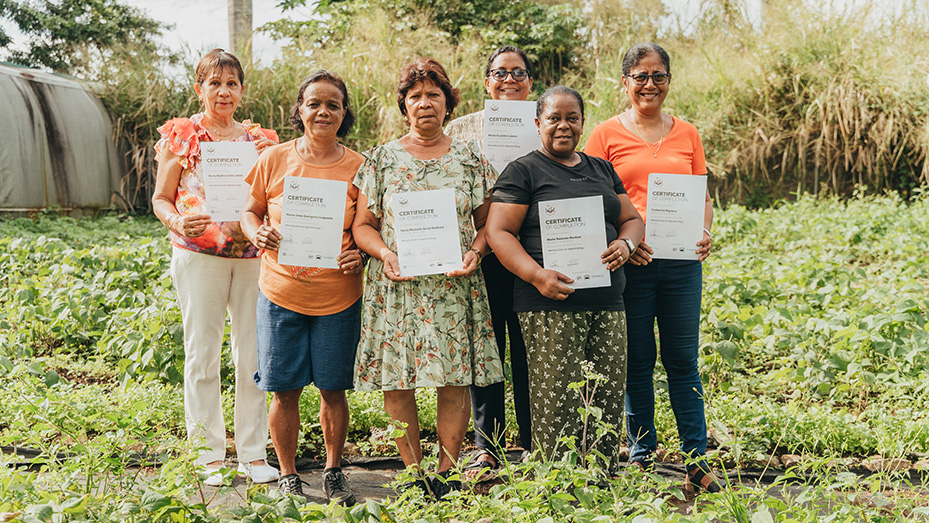
ER Foundation has completed the training phase of its agroecology project at La Ferme Nou Leritaz (LFNL) in La Baraque, L'Escalier.
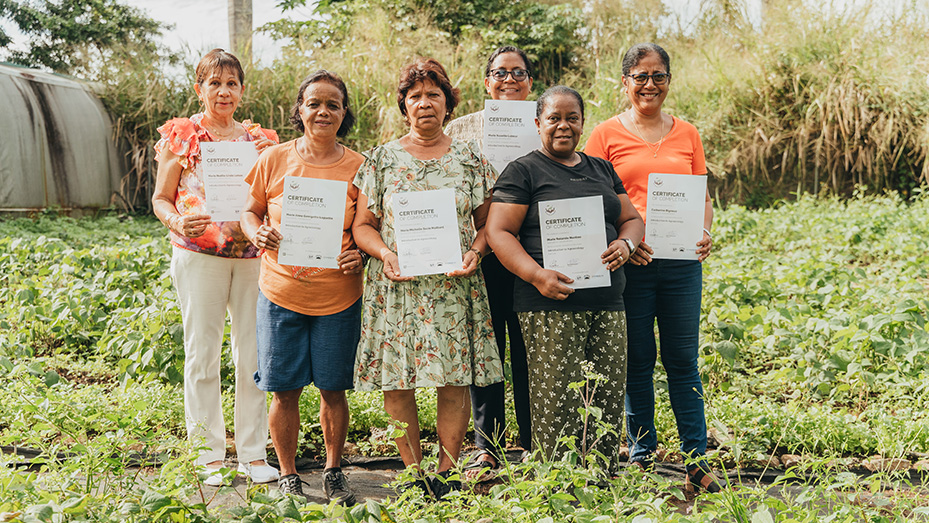
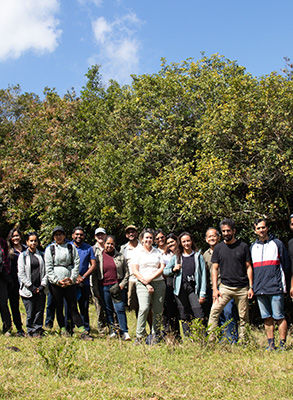
Launched in February 2025, the training concluded in April 2026. The closing event brought together over 30 beneficiaries, partners, and programme representatives for a presentation of results, a certificate ceremony, and a discussion on the initiative's future. For families in L'Escalier, the training marks a shift toward sustainable, responsible farming and opens a new income source built on the plots they now cultivate.
Inside the La Ferme Nou Leritaz project
The project was delivered by ER Foundation in collaboration with i61 Foundation and Nou Tou Ansam-Maison Communautaire, with support from the MOL Charitable Trust. Together, they gave vulnerable families in the region access to land, training, and resources for ecological farming and backyard rearing. The project trained 14 families in agroecology and gave 6 households their own cultivated plots. It introduced 110 children to organic planting and helped 4 community members take up sustainable production at LFNL.
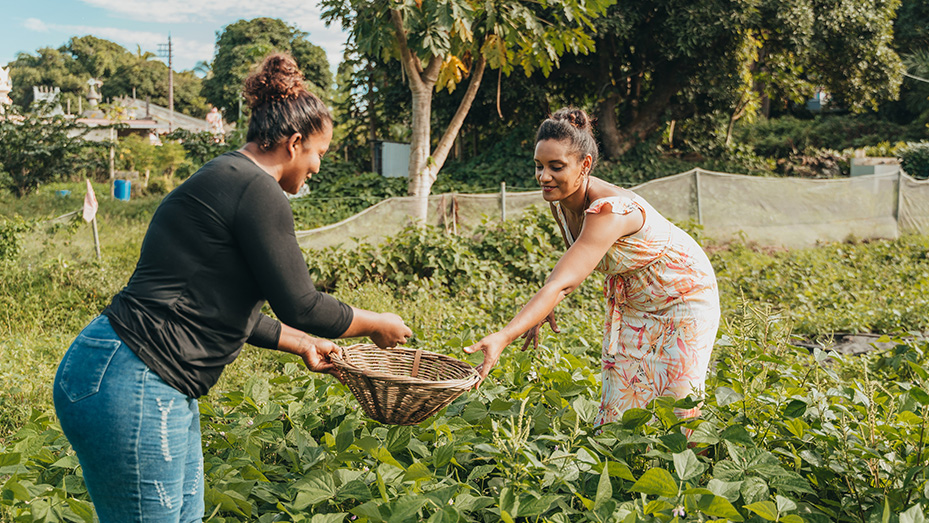
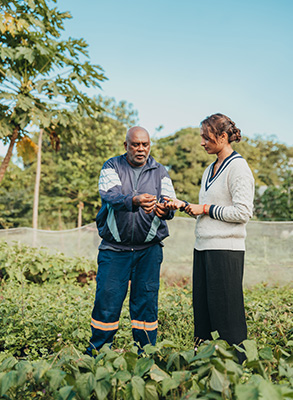
On the ground, the training took shape under the guidance of André Barbe, farm officer at La Ferme Nou Leritaz, with support from Ravi Rambujoo of Farmbasket and Ms Moloye of FAREI. Adults took part in 8 sessions spread over 2 months. Children joined in too, attending 4 sessions during the school holidays. The participants learned to grow crops such as beans, carrots, ladyfingers, thyme, parsley, and mint. Marigold was planted between vegetable beds, chosen for its ability to repel insects naturally. Alongside cultivating crops, they also learned to rear quails, ducks, and local chickens.
How the project helped beneficiaries
The training has changed how the participants grow food and how they think about it, supporting better wellbeing. Ambhika Candasamy, a beneficiary of the agroecology training, recalled the pesticides she once relied on before joining the programme.
That change has followed her home. She grows her own vegetables such as carrots, cabbages, and cauliflowers and passes on these methods to her children and grandchildren.
The project also brought new income and a new sense of purpose to the beneficiaries, many of whom were stay-at-home spouses without an income or identity of their own outside the home. Melanie Nunkoo, who received a plot of land, recalled how things stood before she joined the programme.
Since then, she and other beneficiaries have turned what began as a way to occupy their time into a source of additional income for their households.
For the children, the plots offered a different kind of afternoon. As one parent recalled, at that age they played games such as "la marelle" and "kanet", whereas today’s generation tends to spend time on phones. The training gave these children another reason to get their hands in the soil instead, learning to plant and water with their own hands, and developing skills such as patience along the way.
Alignment with our Sustainability Strategy
The project forms part of ER Foundation's Community Infrastructure Creation programme under the Vibrant Communities Pillar. It also contributes to the Inclusive Development pillar of ER Group's sustainability strategy.
Though the closing event has taken place, sessions at LFNL are continuing. Beneficiaries keep returning to their plots to plant, tend, and harvest, carrying forward what they learned during the training, confirming that the project's impact goes well beyond the training phase that has now officially ended.


- ER Agri
- Agrïa
- ER Commercial